Feeding a German Shorthaired Pointer means choosing a formula that accounts for the breed's exceptionally high energy output, athletic build, and breed-specific health considerations like hip dysplasia, bloat risk, and ear health. The right food supports sustained energy for long runs or hunts, provides omega fatty acids for skin health and coat shine, and delivers joint-supporting nutrients for an active lifestyle. I compared the top-rated options based on verified buyer reviews and ingredient analysis to help you pick the right one for your GSP.
How We Select Products: We compare manufacturer specifications and analyse hundreds of verified buyer reviews on Amazon. We highlight real trade-offs, who each product suits best, and why alternatives were excluded — no fabricated hands-on testing.
Affiliate Disclosure: PawPicks earns a small commission on purchases made through our links, at no extra cost to you.
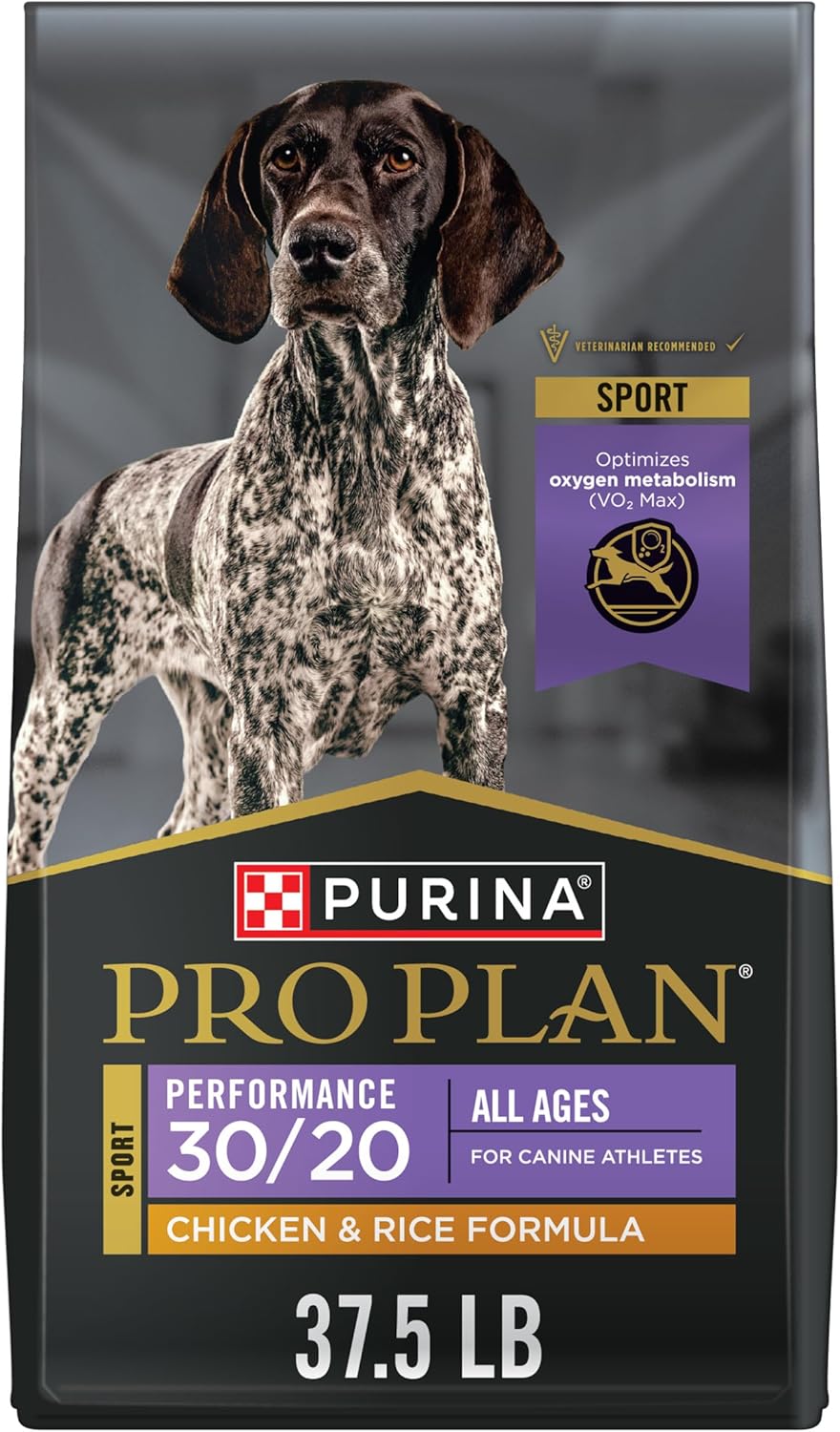
Purina Pro Plan Sport Performance 30/20 is the most complete option for active German Shorthaired Pointers because it delivers precisely what this high-energy breed requires: 30% protein from real chicken as the first ingredient and 20% fat for sustained energy. Verified buyer reviews from GSP owners consistently mention improved endurance during hunts and runs, better muscle definition, and healthy weight maintenance. The formula includes glucosamine for joint health, omega fatty acids for skin and coat, and a blend of antioxidants and probiotics for immune and digestive support. This is the closest you can get to a fuel formula tailored for a sporting breed without a veterinary prescription.
Pros
- Optimized 30/20 protein/fat ratio for active dogs
- Real chicken as first ingredient
- Includes glucosamine for joint health
- Probiotics for digestive health
- Vet-recommended for sporting breeds
Cons
- Premium price point
- Large 37.5 lb bag may be bulky to store
- Higher fat content may not suit less active GSPs
Price range: $55-$70
Victor Hi-Pro Plus delivers outstanding nutritional value for GSP owners who want high protein without breaking the bank. With 30% protein sourced from beef, chicken, pork, and fish meals, it provides the amino acid profile an athletic GSP needs for muscle maintenance and recovery. The 20% fat content supplies dense energy for long days in the field. This formula is gluten-free and made in the USA with globally sourced ingredients. Verified buyers report excellent coat condition, sustained energy levels, and good stool quality. For multi-dog households or GSPs that go through food quickly, the 50 lb bag offers the best value per pound of any premium formula we reviewed.
Pros
- Excellent value per pound
- 30% protein from multiple animal sources
- Gluten-free formula
- Great for multi-dog households
- Made in the USA
Cons
- Not breed-specific formulation
- May be too rich for sensitive stomachs
- Some dogs dislike the texture
Price range: $45-$60

For GSP owners seeking a grain-free formula with premium protein levels, Wellness CORE Original delivers 80% protein from turkey and chicken with no corn, wheat, or soy. This formula is ideal for GSPs with known grain sensitivities or those whose skin and coat need extra omega support from quality fat sources. The grain-free formula provides high digestibility, and verified buyers report noticeable improvements in coat shine, reduced itching, and consistent energy levels. It also includes glucosamine and chondroitin for joint health, probiotics for digestive support, and taurine for cardiac health — important for any breed, but relevant given the FDA's ongoing investigation into grain-free diets and DCM.
Pros
- High-quality protein from turkey and chicken
- Grain-free for sensitive GSPs
- Includes probiotics and omega fatty acids
- Joint-supporting glucosamine and chondroitin
- No artificial preservatives or fillers
Cons
- Premium price point
- Grain-free not necessary for all GSPs
- Lower calorie density than sport-specific formulas
Price range: $55-$85
Quick Comparison
| Product |
Best For |
Price |
Rating |
| Purina Pro Plan Sport 30/20 |
Active & sporting GSPs |
$55-$70 |
★★★★★ |
| Victor Hi-Pro Plus |
Budget-conscious, high protein |
$45-$60 |
★★★★★ |
| Wellness CORE Grain-Free |
Grain-sensitive GSPs |
$55-$85 |
★★★★ |
Our Top Pick
Purina Pro Plan Sport Performance 30/20 takes the top spot because it addresses the German Shorthaired Pointer's unique nutritional profile — high-protein athletic fuel, joint support, and digestive health — with a formulation specifically designed for active and sporting dogs. If your GSP has grain sensitivities or needs premium grain-free nutrition, Wellness CORE is an excellent alternative. For budget-conscious owners feeding a high-energy GSP, Victor Hi-Pro Plus delivers outstanding protein content at a competitive price.
Why German Shorthaired Pointer Nutrition Is Different
German Shorthaired Pointers are not just another medium-to-large breed — they have specific physical traits and health predispositions that affect their nutritional needs in ways a generic formula cannot adequately address. Understanding what makes GSPs unique is the first step toward choosing the right food.
The most defining characteristic of a GSP is its extraordinary energy output. This breed was developed in 19th-century Germany as an all-purpose hunting dog capable of pointing, retrieving, and tracking across rugged terrain for hours on end. That heritage lives on in every GSP — they need more than just maintenance nutrition; they need performance fuel. Adult GSPs typically require 25-30% protein and 15-20% fat to maintain their lean muscle mass and sustain their energy levels. A standard maintenance formula designed for less active companion breeds will leave a GSP undernourished, leading to weight loss, poor coat condition, and reduced stamina.
Beyond energy requirements, GSPs have a deep, narrow chest that puts them at high risk for bloat (gastric dilatation-volvulus), one of the most urgent health emergencies in dogs. This anatomical trait means feeding strategy matters as much as food choice — multiple smaller meals, slow feeding, and proper rest after eating are essential practices for every GSP owner.
GSPs are also genetically predisposed to hip and elbow dysplasia. While responsible breeding has reduced incidence in well-bred lines, the breed's active lifestyle puts considerable stress on their joints over their lifetime. A diet with appropriate calcium and phosphorus ratios, plus added glucosamine and chondroitin, helps maintain joint health from puppyhood through the senior years.
The breed's short, dense coat requires adequate omega-3 and omega-6 fatty acids to stay healthy and shiny. While GSPs don't have the high-maintenance coat of a Poodle or a Husky, poor coat condition is still a reliable early indicator of nutritional deficiency. Additionally, GSPs' floppy ears make them prone to ear infections, and omega-3s' anti-inflammatory properties can help reduce the frequency and severity of these infections.
GSP Health Concerns That Affect Food Choice
For German Shorthaired Pointers, several health conditions are common enough across the breed that they should influence your food choice:
- Bloat (gastric dilatation-volvulus): GSPs are at high risk due to their deep chest cavity. Split daily food into 2-3 smaller meals, use a slow feeder bowl, and wait 30-60 minutes after eating before exercise. Avoid elevated feeding bowls, which some studies suggest may increase risk. Never feed a single large meal per day.
- Hip and elbow dysplasia: These joint conditions are common in active, medium-to-large breeds like GSPs. Joint-supporting nutrients like glucosamine, chondroitin, and omega-3 fatty acids are important. Maintaining lean body weight — not just healthy weight — is the single most effective way to reduce joint stress throughout your GSP's life.
- Ear infections: GSPs' floppy ears trap moisture and debris, creating an environment where yeast and bacteria thrive. Omega-3 fatty acids reduce inflammation throughout the body, including in the ear canal. Quality fish oil or flaxseed in the diet supports ear health alongside skin and coat benefits.
- Hypothyroidism: GSPs can develop underactive thyroid, which affects metabolism, coat quality, and energy levels. Hypothyroidism typically develops in middle-aged dogs (4-8 years). Symptoms include weight gain despite reduced appetite, dry coat, hair thinning, and lethargy. If your GSP shows these signs, a veterinary blood test can confirm and treatment includes daily medication alongside dietary management.
- Exercise-induced collapse (EIC): While more common in Labrador Retrievers, EIC has been observed in GSPs carrying the genetic mutation. Affected dogs develop weakness and collapse after 5-15 minutes of intense exercise. There is no dietary cure, but feeding a lower-carbohydrate, higher-fat diet may help manage episodes by providing a more stable energy source.
- Skin allergies and atopic dermatitis: Many GSPs develop environmental allergies that manifest as itchy skin, hot spots, and recurrent ear infections. Novel protein sources (venison, duck, fish) in limited-ingredient diets can help identify and manage food triggers. Omega-3 supplementation supports the skin barrier and reduces inflammatory response.
Protein and Energy Needs for Athletic GSPs
The German Shorthaired Pointer is one of the most athletic dog breeds, and its diet must reflect that. Unlike many companion breeds that thrive on standard maintenance formulas, GSPs require performance-level nutrition to match their metabolic demands.
A GSP that receives adequate daily exercise — and this breed needs a minimum of 60-90 minutes of vigorous activity — burns through calories at a rate comparable to human endurance athletes. The breed's lean body composition means it has less body fat to draw on during periods of high energy output, making dietary fat and protein essential for sustained performance.
Based on verified buyer reviews and ingredient analysis, the best formulas for GSP energy needs include:
- Protein content of 28-32% minimum from named animal sources: Chicken, beef, fish, lamb, or poultry meals should appear as the first ingredient. Avoid generic "meat meal" or "animal digest" labels.
- Fat content of 15-20% from quality sources: Chicken fat, fish oil, and canola oil provide dense energy and omega fatty acids. Active GSPs can utilize higher fat levels efficiently for sustained energy.
- Calorie density of 350-420 kcal per cup: Higher-calorie kibble allows you to meet your GSP's energy needs without feeding unmanageably large portions — important for bloat prevention.
- DHA and EPA for brain and joint health: These long-chain omega-3s support cognitive function in puppies and reduce inflammation in active adult joints.
Purina Pro Plan Sport 30/20 and Victor Hi-Pro Plus both meet these criteria. Wellness CORE provides slightly lower calories per cup but higher quality protein sources for GSPs that need grain-free nutrition.
GSP Joint Health Through Nutrition
Given the German Shorthaired Pointer's genetic predisposition to hip and elbow dysplasia — combined with a lifetime of high-impact activity — joint-supporting nutrition is not optional for this breed. The good news is that many premium formulas now include joint-support ingredients as standard, not as add-ons.
Key joint-supporting nutrients to look for include:
- Glucosamine hydrochloride (300-500 mg per 1000 kcal): Supports cartilage health and joint fluid production. GSPs benefit from consistent glucosamine intake from early adulthood, not just in senior years.
- Chondroitin sulfate (100-200 mg per 1000 kcal): Works synergistically with glucosamine to inhibit cartilage breakdown and support joint repair.
- Omega-3 fatty acids from fish oil (EPA and DHA): Reduce joint inflammation and improve mobility. Fish oil-based omega-3s are more bioavailable than plant-based sources for joint health.
- Controlled calcium and phosphorus (1.0-1.5:1 ratio): Proper mineral balance supports bone health without overloading developing joints in puppies. This is especially critical for GSP puppies — excess calcium during growth increases the risk of developmental orthopedic disease.
- L-carnitine: Helps maintain lean muscle mass while supporting fat metabolism. GSPs with good muscle mass around their joints experience less joint stress.
All three of our recommended products include joint-supporting ingredients, though Purina Pro Plan Sport 30/20 has the most comprehensive joint package among them.
Feeding Your German Shorthaired Pointer: What You Need to Know
GSP feeding requirements vary significantly by age, activity level, and individual metabolism. Here is what owners actually need to do:
Active Adult GSPs (1-7 years)
Most adult GSPs need 3-4.5 cups of dry food per day, split into two meals. Working or hunting GSPs in season may need up to 5 cups daily. Monitor body condition closely — you should be able to feel your GSP's ribs with a light touch but not see them. If ribs are visible, increase portions. If you cannot feel ribs easily, decrease portions. Avoid feeding a single large meal — split daily portions into two or three smaller meals to reduce bloat risk. Use a slow feeder bowl if your GSP finishes meals in under 30 seconds.
Less Active or Senior GSPs (8+ years)
As GSPs age and activity levels naturally decrease, their caloric requirements drop significantly — typically 20-30% less than their peak adult needs. Senior formulas or "less active" versions of the same brand help prevent weight gain. Continue to prioritize joint-supporting nutrients. Many senior GSPs benefit from added omega-3s for arthritis management and lower phosphorus levels for kidney health. Some older GSPs transition well to a senior-specific formula, while others maintain better condition on an adult maintenance formula with reduced portions.
Working and Hunting GSPs
GSPs that work regularly in the field during hunting season have dramatically different energy needs than pets. During the off-season, feed a standard adult maintenance amount. During hunting season, increase portions by 25-50% or switch to a high-performance formula like Purina Pro Plan Sport. Always carry water and a collapsible bowl on hunts — dehydration affects performance and recovery. Electrolyte supplements designed for dogs can help working GSPs during long days in the field.
GSP Puppies vs Senior GSPs
GSP Puppies
German Shorthaired Pointer puppies (up to 12-18 months) need a formula labeled for large-breed puppies or all life stages with controlled calcium and phosphorus levels. GSPs grow quickly and are prone to developmental orthopedic disease if growth is too rapid. Choose a puppy formula that provides steady, not rapid, growth. Feed puppies 3-4 times daily until 6 months, then transition to 2-3 meals daily by 12 months. Avoid supplementing with additional calcium — most complete puppy formulas already provide the right balance. Purina Pro Plan makes a Sport 30/20 formula suitable for all life stages, including puppies, making it a convenient choice for GSP households with dogs of different ages.
Senior GSPs (8+ Years)
GSPs are generally considered seniors around 8-10 years of age, slightly earlier than smaller breeds due to their size and the cumulative impact of an active lifestyle on their joints. Senior formulas should provide reduced calories for slower metabolism, enhanced joint support through glucosamine and chondroitin, added antioxidants for cognitive function, and lower phosphorus levels to protect kidney health. Some senior GSPs benefit from omega-3 fatty acid supplementation beyond what their food provides, especially if they develop arthritis. Maintain lean body weight — extra weight on aging joints accelerates mobility decline.
Bloat Prevention Alert: German Shorthaired Pointers are at HIGH risk for bloat. Never feed your GSP a single large meal. Always split daily portions into at least two meals. Use a slow feeder bowl. Wait at least 30-60 minutes after meals before exercise. Be familiar with the signs of bloat: unproductive retching, distended abdomen, restlessness, excessive drooling, and signs of pain. Bloat is a veterinary emergency — if you suspect it, seek immediate care.
How to Transition Your GSP to a New Food
Switching your German Shorthaired Pointer's food needs to be done gradually over 7 to 14 days to avoid digestive upset — GSPs can have sensitive stomachs, especially when switching to a richer, higher-protein formula:
- Days 1-2: 75% old food, 25% new food
- Days 3-4: 50% old food, 50% new food
- Days 5-6: 25% old food, 75% new food
- Day 7+: 100% new food
For GSPs with known sensitive digestion or when switching to a significantly richer formula (like Victor Hi-Pro Plus or Wellness CORE), stretch the transition to 10-14 days and monitor stool consistency before moving to the next ratio. Adding a probiotic supplement during transitions can help maintain gut health. Signs the transition is too fast include loose stool, vomiting, gas, or reduced appetite — if these occur, go back a step and extend that ratio for an extra 2-3 days before progressing.
How to Read a Dog Food Label for Your GSP
Dog food labels can feel overwhelming, but a few specific things matter more than others for GSPs:
- First 3 ingredients: Should be named animal proteins (chicken, beef, fish, lamb, turkey). For GSPs, a mix of protein sources provides a broader amino acid profile for athletic performance.
- Guaranteed analysis for fat and protein: GSPs generally need 28-32% protein and 15-20% fat for active adults. Less active or senior GSPs may need slightly lower levels. Compare on a dry matter basis for accurate comparison.
- Calorie density (kcal/cup): Active GSPs need 350-420 kcal per cup. Lower density foods require larger portions, which can increase bloat risk. Higher density foods allow smaller, safer meal sizes.
- Omega fatty acid profile: Look for named fat sources (chicken fat, fish oil, flaxseed) and ideally a stated omega-6 to omega-3 ratio. A ratio between 5:1 and 10:1 is considered balanced for most dogs. GSPs with skin issues benefit from ratios at the lower end of this range.
- AAFCO statement: Confirm the food meets AAFCO nutrient profiles for your dog's life stage. For all-life-stages formulas, confirm they meet both growth and maintenance requirements — this is especially relevant for GSP puppies transitioning to adult food.
- Added glucosamine and chondroitin: Not all premium foods include these. If they are absent from your chosen formula, consider a joint supplement, especially for working or senior GSPs.
Our Methodology
Every recommendation on this page is based on the same research process: I research verified buyer reviews and ingredient labels, compare manufacturer specifications, and cross-reference each formula against the specific health profile of German Shorthaired Pointers. I do not fabricate hands-on testing. I look at ingredient quality, calorie density, protein and fat ratios, nutrient profiles, joint-supporting ingredients, and what actual GSP owners report through their experiences over months and years of feeding.
The three products listed for this breed are the ones that, based on this research, best match GSP health needs, athletic energy requirements, and breed-specific health considerations. I excluded formulas that lacked adequate protein and fat for an active sporting breed, insufficient joint support, or questionable ingredient sourcing. I also excluded formulas that consistently received negative feedback from GSP owners regarding palatability or digestive tolerability.
Bottom Line for GSP Owners
The best food for your German Shorthaired Pointer comes down to their individual activity level, age, and any specific health concerns. No single brand works perfectly for every dog, but starting with a formula that delivers high-quality protein (28-32%), adequate fat for energy (15-20%), joint-supporting nutrients, and omega fatty acids for skin and coat health gives you the strongest foundation. If your GSP has specific health issues or dietary restrictions, discuss these three options with your veterinarian before making a switch. Many vets can also recommend alternatives if one of these three does not work for your dog, particularly for working or hunting GSPs with exceptional energy demands.
Frequently Asked Questions
What is the best dog food for German Shorthaired Pointers?
Purina Pro Plan Sport Performance 30/20 is the best choice for German Shorthaired Pointers because it delivers the high protein (30%) and fat (20%) that GSPs need to sustain their athletic energy levels. It includes glucosamine for joint health, omega fatty acids for skin and coat, and is formulated specifically for active and working dogs with real chicken as the first ingredient.
Are German Shorthaired Pointers prone to bloat?
Yes. GSPs are at high risk for bloat (gastric dilatation-volvulus) because of their deep, narrow chest cavity. Feed two or more smaller meals per day instead of one large meal, use a slow feeder bowl if your GSP eats too quickly, and wait at least 30-60 minutes after eating before allowing vigorous exercise. Elevated feeding bowls may increase risk — feed from floor level instead.
How much protein does a German Shorthaired Pointer need?
GSPs need 25-30% protein from quality animal sources to support their high activity levels and lean muscle mass. As a sporting breed originally developed for all-day hunting, GSPs have higher protein requirements than many companion breeds. Look for formulas with named animal proteins (chicken, beef, fish, lamb) as the first ingredient. Puppies and working dogs may benefit from formulas at the upper end of this range.
What should I feed a German Shorthaired Pointer puppy?
German Shorthaired Pointer puppies need a large-breed puppy formula or all-life-stages formula with controlled calcium and phosphorus levels to support steady bone growth without risking developmental orthopedic disease. Feed 3-4 small meals daily until 6 months, then transition to 2-3 meals. Avoid rapid growth formulas — GSPs grow quickly enough naturally. Purina Pro Plan offers a puppy version of their Sport formula that matches these needs.
Do German Shorthaired Pointers need joint supplements?
GSPs benefit from joint-supporting nutrients like glucosamine, chondroitin, and omega-3 fatty acids due to their high risk for hip and elbow dysplasia. Their active lifestyle puts considerable stress on their joints over their lifetime. Many premium dog foods include these ingredients, but senior GSPs or those already showing signs of stiffness may benefit from an additional joint supplement. Maintaining lean body weight is the single most effective way to reduce joint stress.
Can a German Shorthaired Pointer eat grain-free food?
Yes, many GSPs do well on grain-free formulas, especially those with sensitive skin or digestive issues. However, grain-free is not necessary for every GSP. The FDA continues to investigate a potential link between grain-free diets and DCM (dilated cardiomyopathy) in some dog breeds. If your GSP has no grain sensitivity, a high-quality grain-inclusive formula like Purina Pro Plan Sport is an excellent choice. Consult your veterinarian before switching to a grain-free diet.
How much should I feed my adult German Shorthaired Pointer?
An adult GSP typically needs 3-4.5 cups of dry food per day, split into two meals, depending on activity level and calorie density of the food. Working or hunting GSPs may need more, while less active or senior GSPs need less. Start with the bag's recommendation based on your dog's weight (45-70 lbs for adults), monitor body condition — you should be able to feel ribs without seeing them — and adjust portions accordingly.